Reading the Clues: How Craft and Time Reveal the Truth

Today we dive into Distinguishing Originals from Reproductions: Period Details that Matter, exploring how tool marks, pigments, hardware, paper fibers, and lived wear quietly testify to authenticity. Expect practical tests, human stories, and expert cues you can use immediately. Share your experiences, ask questions, and help grow a community that protects honest craftsmanship while celebrating beautiful, transparent restorations.

Wood, Joinery, and the Language of Handwork

Furniture records the motions of its maker. Hand-cut joints drift in spacing, scribe lines hide beneath polish, and tool chatter whispers along edges. Shrinkage, oxidation, and wear accumulate where hands always touched. We examine how these quiet signals distinguish confident originals from clever reproductions, offering empathetic guidance for buyers, sellers, and restorers who want to honor integrity without fearing expert jargon or inaccessible laboratory methods.

Paintings Beneath the Varnish

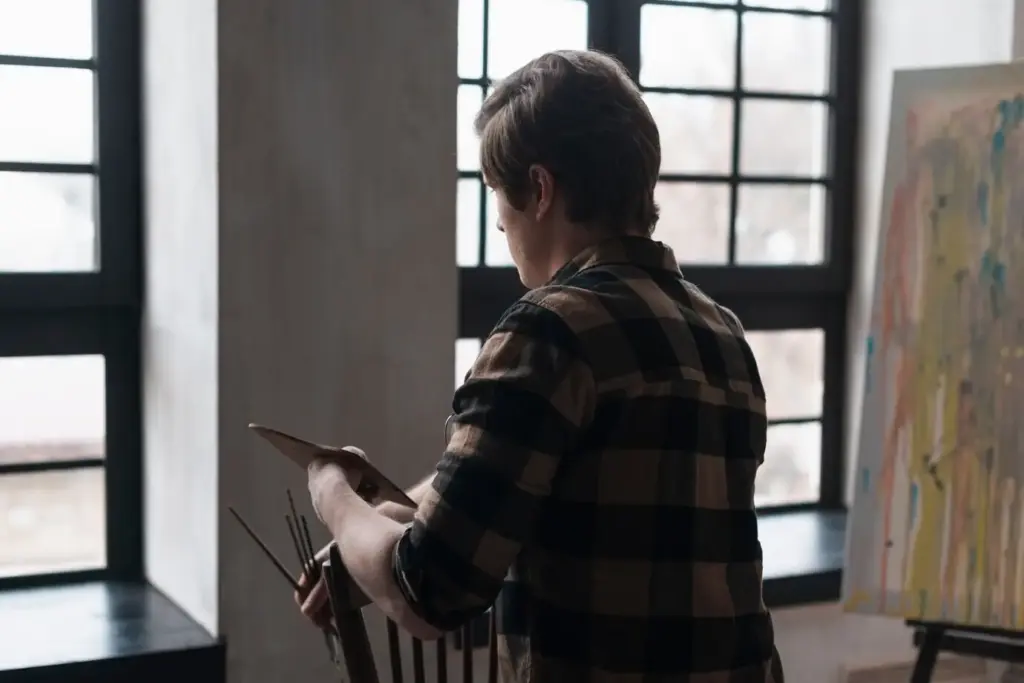
Paintings age in layers: ground, pigment, binder, varnish, stretcher, and frame. Craquelure spreads like a map of tension, varnish yellows and blooms, and canvas weaves print through as fibers relax. Reproductions simulate, but often miss relationships between stress, materials, and time. Learn to read edges, nails, stretcher keys, and repairs without panic. With patient observation and modest tools, you can protect both heritage and your budget.

Metal, Hardware, and the March of Fasteners

Hardware acts like a timestamp. Hand-forged screws have off-center slots, tapered shanks, and irregular threads; later machine screws grow precise, then standardized. Hinges, locks, and escutcheons evolve with fashion and tooling. Rust blooms differently on wrought iron than plated steel. By tracing these clues, you can spot sympathetic repairs, over-restorations, or deliberate swaps, weighing them fairly instead of rejecting honest objects that have simply lived and been maintained.

Watermarks and Chain Lines

Hold paper to light: laid sheets show stripes, with watermarks often centered between chain lines. Compare watermark designs with catalogues to verify plausible dates. Beware modern sheets carrying spurious stamps or laser-smooth fibers. Rag content feels strong and flexible; acidic wood pulp crinkles briskly. Foxing patterns should meander organically, not appear sprayed. When margins or deckle edges look too perfect for claimed printing, investigate trimming, facsimile edges, or composite assemblies.

Type, Litho, and Half-Tone Histories

Letterpress kisses paper, leaving a faint bite; lithography draws with greasy softness and edge granularity. Half-tone dots emerge around the 1880s, forming rosettes; offset litho smooths registration much later. Copperplate lines taper elegantly under magnification, while photomechanical copies lose depth. Spot mismatched techniques and dates, like half-tone photographs in allegedly early broadsides. Examine under loupe, tilt for gloss differences, and trust quiet physical facts over romantic attributions.

A Printer’s Ledger Saves a Broadside

A nineteenth-century broadside seemed right, yet ink looked suspiciously even. Local archives yielded a printer’s ledger listing the job decades later than claimed, using wove stock newly introduced to that town. Margins were genuine, but the edition was a commemorative reprint. The owner kept it, loved it, and labeled it truthfully. Share your research haunts—city directories, trade cards, and mill records keep our collective compass pointing north.

Paper, Ink, and Impressions that Remember

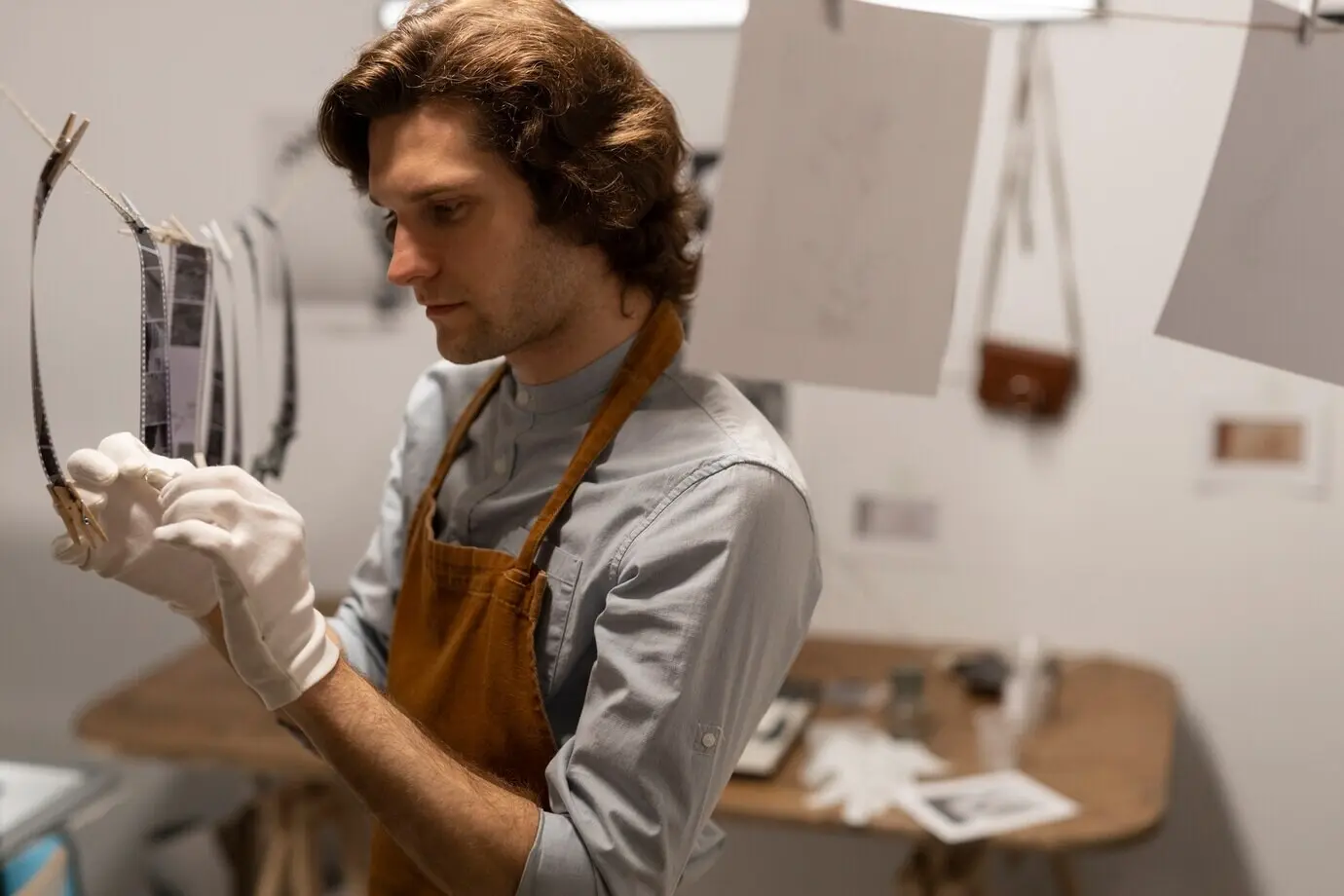
Paper preserves manufacturing methods like a fossil. Laid sheets reveal chain and laid lines; wove papers lose that ribbed texture. Watermarks carry dates and mills, while presses leave tactile clues. Inks oxidize, migrate, and bite into fibers differently across centuries. Learn to backlight calmly, feel the bite of letterpress, and read margins for trimming. These small habits defend against convincing restrikes and sentimental facsimiles meant to flatter rather than inform.

Ceramics, Glass, and the Fire’s Signature

Heat leaves unmistakable signatures. Glazes craze, foot rings abrade, and kiln grit embeds where setters touched. Glass remembers its birth through pontil scars, mold seams, and bubble trails. Reproductions mimic patterns but rarely align wear, chemistry, and fabrication details convincingly. We look closely at bases, rims, and transitions, learning when honest restoration preserves life and when inconsistencies reveal recent manufacture designed to imitate romance rather than truly survive time.

01

Glaze Crazing and Foot Rings

Age-related crazing meanders naturally, darkening where years of handling pressed dirt into micro fissures. Forced crazing tends to look uniform, shallow, or newly stained. Foot rings tell travel stories: elliptical wear from repeated table slides, not rotary sanding. Look for sagger scars, spur marks, and kiln grit captured under glaze. If the base is spotless while the lip claims centuries, the narrative likely needs revisiting before trust and money change hands.

02

Pontil Scars and Mold Seams

Hand-blown glass often bears rough or fire-polished pontil scars, while later machine-made pieces display consistent mold seams. Count seams and follow them: do they die gracefully, or run uninterrupted over the lip? Early three-part molds behave differently than automatic Owens machine outputs. Acid polishing can blur evidence, but transitions usually betray processes. Evaluate thickness at the base, striations in the walls, and tool marks beneath handles for a calmer, truer reading.

03

Bottle Bubbles and Sun-Purple Myths

Bubbles alone do not equal age; some modern glass intentionally traps them. Manganese-decolorized glass can turn purple in sunlight, inspiring backyard “aging” schemes. Check embossing crispness, seam termination at the finish, and wear patterns around the base. Genuine use softens contact points and engraves tiny arcs across high spots. If color says late nineteenth century while the mold seam telegraphs much later automation, believe the manufacturing timeline instead of romantic hues.

Provenance, Labels, and the Human Trail
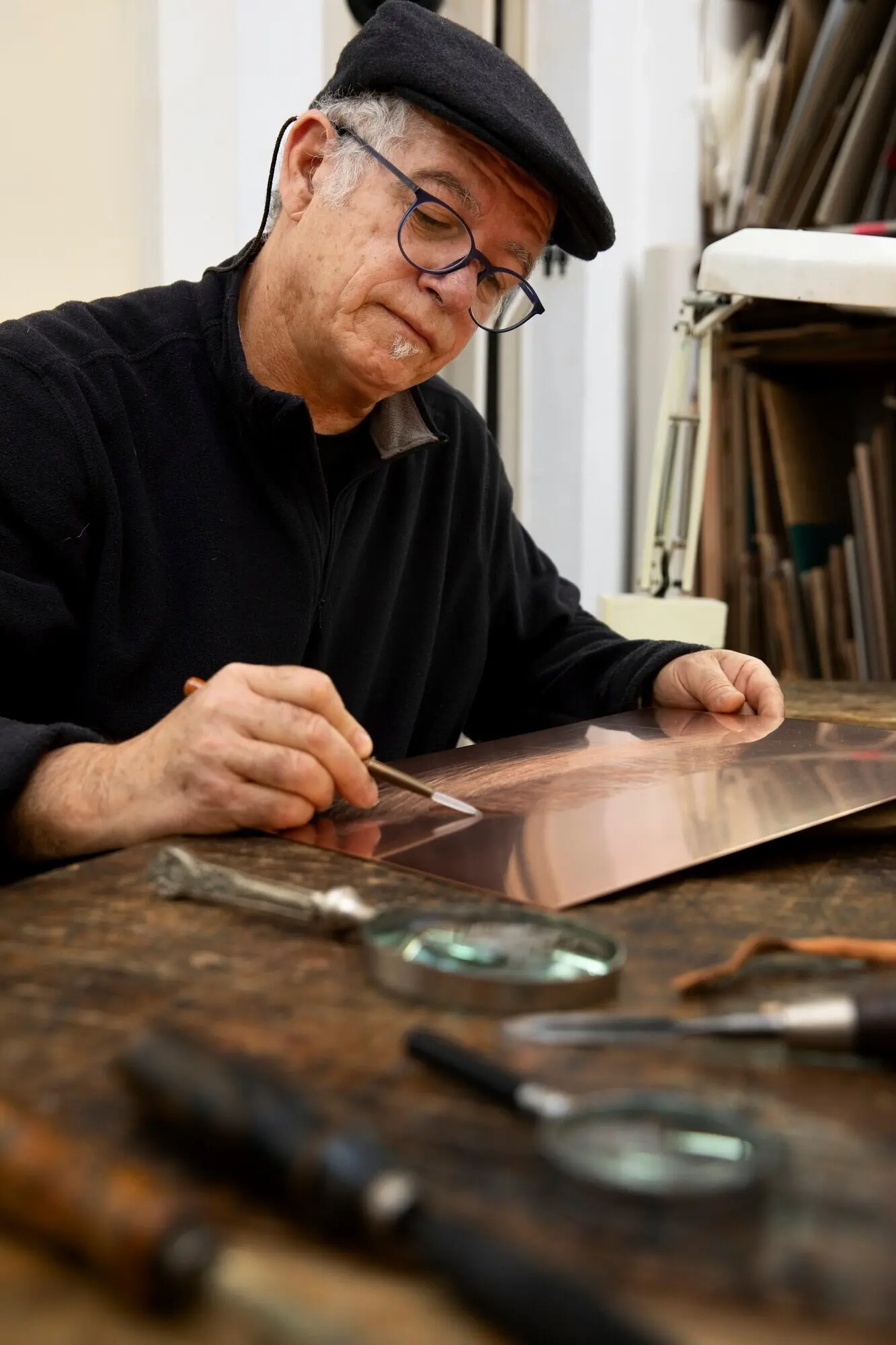
Objects travel with people, dealers, railways, and exhibitions. Paper labels, penciled notes, and customs stamps map journeys that technical evidence alone cannot. While forgers fabricate stories, consistent breadcrumbs withstand scrutiny: glue aging, typography, phone exchanges, and postal reforms. Lean into documentation without losing wonder. Truthful provenance transforms ownership into stewardship, inviting future hands to continue the chain with humility, clarity, and affection for both maker and subsequent caretakers.

Simple Tests You Can Do, and When to Call Science

Thucphamthuongloan
Privacy Overview

This website uses cookies so that we can provide you with the best user experience possible. Cookie information is stored in your browser and performs functions such as recognising you when you return to our website and helping our team to understand which sections of the website you find most interesting and useful.